What nobody told me about my first week on crutches
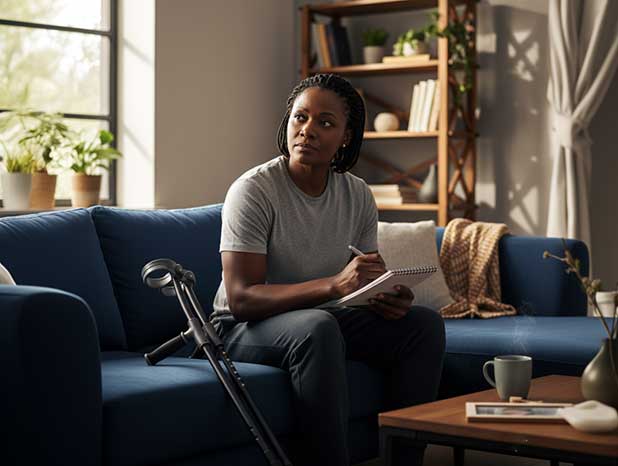
It was 3 AM on a Tuesday when I stepped wrong getting out of bed, heard the snap, and knew my life was about to change. After the ER, surgery, and a 30-second crutch demo, I was standing on one leg in my living room staring at a pair of metal sticks like alien tech.
Nobody prepared me for the next eight weeks. My palms blistered, my armpits burned, and I nearly bailed on crutches entirely. Every fix below came from trial, error, and a few hard falls.
This guide is everything I learned the hard way, so you do not have to, whether you are prepping for surgery or stuck in your first week on crutches wondering why your shoulders hurt so much.
Not medical advice
This is a user story and gear guide, not a clinical plan. Ask your clinician or PT to confirm fit, stairs technique, and whether crutches are right for you.
Key takeaways
- Upgrade the hardware fast: padded grips, better tips, and storage pouches save your hands and sanity.
- Weight belongs on your hands, not armpits: adjust height so pads sit 1-2 inches below the underarm.
- Stairs require a script: "Good leg up first, bad leg down first" keeps you upright.
- Backpacks and crossbody bags are mandatory: both hands stay on the grips.
- Ice and rain are high risk: use ice tips, salt heavily, and dry crutch tips before entering smooth floors.
- Proper height fixes a lot of pain: set handles near the wrist crease and keep elbows bent 15-30 degrees.
Read this first
If you are reading right before surgery, start with Lessons 1, 7, and 9. If you are already in week two and everything hurts, focus on Lessons 2, 5, and 6 first.
Table of contents
- Lesson 1: Hospital crutches are rough-upgrade early
- Lesson 2: Stop leaning on your armpits
- Lesson 3: Stairs need practice
- How to walk with crutches
- Lesson 4: Carrying food, drinks, and your phone
- Shoes and clothing tips
- Lesson 5: Ice and rain change the rules
- Lesson 6: Hands and wrists need care
- Lesson 7: Height matters more than you think
- Lesson 8: Sitting and standing safely
- Lesson 9: Prep your home before day one on crutches
- Lesson 10: Protect your mental health
- Lesson 11: Expect more fatigue than you think
- When to call your clinician
- Bonus lesson
- FAQ
- Related guides
1 Hospital crutches are rough-upgrade early
The standard-issue aluminum crutches felt like medieval torture devices. Within a day I had palm blisters, raw underarms, and aching hands. I assumed that was normal until a friend asked if I had padded grips yet.
What I should have ordered in the first 48 hours:
- Padded hand grips (gel or foam) to cut pressure on the palms.
- Underarm pads to prevent chafing, even though you should not rest on them.
- Replacement crutch tips with better tread.
- Crutch pouches or bags to hold a phone, keys, and a water bottle.
Pro tip
Order upgrades before surgery if you can. Having grips, pads, and new tips waiting at home makes day one less miserable.
2 Stop leaning on your armpits
By day three my armpits were on fire because I was doing it wrong. Crutch pads are stabilizers, not seats. The weight belongs in your hands.
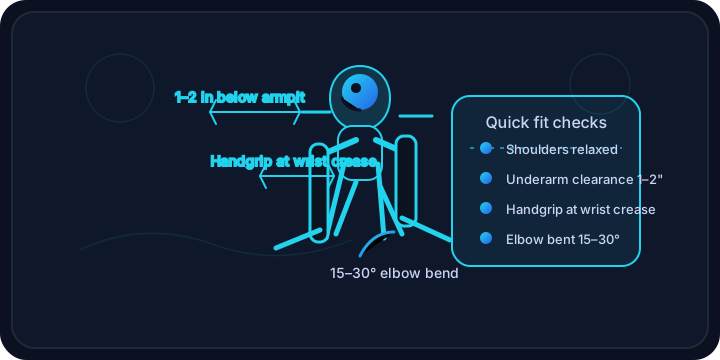
"The top pads should sit 1-2 inches below your underarms. Keep a slight elbow bend and press through the hand grips instead of the underarm pads."
Quick technique check:
- Stand tall with crutches at your sides.
- Make sure the top pad is 1-2 inches below the underarm.
- Handles should be near the wrist crease with a 15-30 degree elbow bend.
- When you walk, press through your palms and wrists, not the pads.
Safety note
Leaning on underarm pads can lead to nerve issues such as crutch palsy. Tingling or numbness is a sign to readjust and take a break.
3 Stairs need practice
My first public staircase was a 12-step freeze in front of a waiting room. A stranger rescued me with the rhyme I still repeat:
"Good leg goes to Heaven, bad leg goes to Hell." Translation: good leg up first, injured leg down first.
Going up stairs:
- Plant both crutches on the current step.
- Press through the handles.
- Step up with the good leg first.
- Bring the injured leg and crutches to the same step.
Going down stairs:
- Set both crutches on the step below.
- Move the injured leg down first while keeping weight on the crutches.
- Follow with the good leg.
Pro tip
Use the railing whenever you have one, carry both crutches in the opposite hand, and let the rail handle most of the balance.
Quick guide: how to walk with crutches the first week
Every surgeon gives slightly different rules, but here is the basic pattern my PT drilled into me. If this is your first time using crutches, start slow and practice on flat ground before stairs.
If you are non weight bearing
- Move both crutches forward a short step.
- Shift your weight into your hands.
- Lift the injured leg and swing your good leg through to land slightly ahead of the crutches.
If you are partial weight bearing
- Step both crutches and the injured leg forward together.
- Press into your hands and put only as much weight on the injured leg as your clinician allowed, for example toe touch only.
- Step through with your good leg.
Always follow your surgeon or PT’s exact weight bearing limits—this is just a plain-language reminder of what they probably showed you for thirty seconds in the hallway.
4 Carrying food, drinks, and your phone
You cannot carry a plate and use crutches at the same time. I learned that after a near-miss with hot coffee. The fix was organizing how I carried daily essentials.
What worked:
- A backpack for everything (phone, charger, water, medications, snacks).
- A crossbody bag for quick trips.
- Hoodies or jackets with large pockets.
- Crutch pouches for small items like keys or chapstick.
- Setting up meals on a small tray near the couch or table.
5 Ice and rain change the rules
Winter crutching nearly sent me back to the ER. The first icy sidewalk dumped me on the ground because both tips slipped at once. Wet tips on tile are just as dangerous.
Cold and wet weather fixes:
- Use ice tips or retractable spikes for traction.
- Salt any walkway you have to use and take short steps.
- Stay home on bad ice days if you can. Delivery is safer than a fall.
- Dry crutch tips before stepping onto smooth indoor floors.
Serious warning
A fall can reset your recovery or injure something new. If conditions are slick, postpone errands or ask for help.
Extra Shoes and clothing that make crutches easier
- Wear supportive, closed-toe shoes with good tread on your good leg; skip flip flops, loose slippers, or worn-out soles.
- Avoid floor-length pants or long robes that can tangle with crutch tips.
- Pick clothes that are easy to get on while sitting—elastic waists and wide leg openings are your friends.
6 Hands and wrists need care
By week two my palms were callused and my wrists ached. Padded grips helped, but so did changing habits.
What eased the pain:
- Padded grips and occasional wrist wraps for support.
- Short, frequent breaks to sit and shake out hands.
- Gentle wrist stretches and a stress ball to keep hands moving.
- Alternating with a knee scooter at home when possible.
- Checking height and handle position so I was not hunched over.
Wrist reset
Ice your wrists for 10-15 minutes before bed if they are sore, and keep a light bend in your elbows to avoid overloading the joints.
7 Height matters more than you think
The hospital set my crutches too low, so I hunched forward and everything hurt. Correct height changed my posture overnight.
Fast fitting checklist:
- Wear your usual shoes and stand tall.
- Set hand grips near the wrist crease when your arms hang at your sides.
- Keep the top of the crutch 1-2 inches below the underarm.
- Aim for a 15-30 degree elbow bend when holding the grips.
Once the handles were at the right height, my back and shoulders stopped screaming and my balance improved.
8 Sitting and standing safely
My first attempt to sit down ended with a backward flop. The solution was a repeatable routine.
Another lesson: I once tried to launch off a soft couch and sank straight back down. Use a firm, higher seat until you are steady.
To sit:
- Back up until you feel the chair against your good leg.
- Hold both crutches in one hand on your injured side.
- Use the other hand on the armrest or seat to guide yourself down.
To stand:
- Move to the edge of the chair.
- Hold both crutches in one hand.
- Push up with your free hand and good leg before placing the crutches.
9 Prep your home before day one on crutches
If you have surgery on the calendar, do these before your crutches ever arrive home.
- Set crutch upgrades—grips, pads, and better tips—to arrive before surgery day.
- Crutch-proof the main routes you will use (bedroom to bathroom, bedroom to kitchen, desk to bathroom).
- Decide which chair will be your main landing spot and make it firm and high enough to stand from.
Home turned into an obstacle course until I crutch-proofed it.
Remove hazards:
- Roll up loose rugs or tape them down.
- Keep pets and kids out of tight hallways while you learn.
- Secure cords and cables along walls.
- Add non-slip mats on slick wood or tile.
- Use a firm, higher chair instead of a low couch.
- Keep a small light or motion light on for night bathroom trips so you do not rush in the dark.
- Set a stable chair or grab point near the bathroom for middle-of-the-night stops.
- Keep a waterproof cast or boot cover handy for quick nighttime bathroom runs.
- I nearly face-planted on day two when a charger cable snagged a crutch—tape down every cord you can find.
Set up comfort stations:
- A shower chair and waterproof cover for any cast or boot.
- A small rolling cart for meals and supplies.
- A bedside caddy with medication, charger, and water within reach.
- Easy-on clothing and slip-on shoes.
10 Protect your mental health
Crutches mess with your head more than most people admit. I felt slow, dependent, and isolated by week four.
What helped:
- Setting small daily goals instead of dwelling on limitations.
- Saying yes when friends offered help.
- Joining online communities so I felt less alone.
- Celebrating milestones like the first shower or first pain-free day.
- Reminding myself the recovery was temporary.
- For school or work, ask for temporary accommodations: closer parking, elevator access, lighter routes between classes, or flexible hours. Bring a backpack for laptop and charger so your hands stay on the grips.
If you are planning return-to-work or school timelines, talk to your clinician and see our crutch recovery timelines guide for expectations by week.
"You do not realize how much you take mobility for granted until you cannot use it. It is okay to grieve the temporary loss while you heal."
11 Expect more fatigue than you think
The first week on crutches feels like a full-body workout because every step recruits arms, core, and balance muscles that are not conditioned yet.
Manage energy without stalling recovery:
- Plan micro-breaks: sit for 5 minutes every 20-30 minutes instead of pushing until you wobble.
- Evening reset: elevate your injured leg, ice per your care plan, and do light stretches for wrists and shoulders.
- Fuel and water: light snacks and steady hydration keep you from bonking in the afternoon.
- Listen to the “I am exhausted” signal: fatigue is a safety warning, not a failure. Slow down or stop before balance slips.
How long until crutches feel less awkward
The awkward, everything-hurts phase usually lasts a few days to a couple of weeks. For me, day four is when turning corners stopped feeling like a circus act and by week two I could get around the house on autopilot.
Glossary quick links: crutch palsy, knee scooter, hand grips.
When to call your clinician
- Sharp or worsening pain in your armpits, shoulders, wrists, or hands.
- Numbness or tingling that does not fade after a break.
- New trouble balancing or more near falls instead of fewer.
- Signs of a blood clot: sudden calf pain, warmth, or swelling; or shortness of breath—get emergency help.
- Any fall that lands on your injured leg or surgical site.
Bonus There is life after crutches
I am back to walking normally three months later. If I ever need crutches again, I know exactly what to adjust on day one. The biggest lesson: this phase ends, even when it feels endless. Be patient and kind to yourself, and get padded grips.
Want more recovery resources?
Get a free 7-day Crutch Mastery email series with daily tips, exercises, and encouragement to make each week easier. If this list feels like a lot, the course breaks it into small daily wins.
We respect your inbox. Unsubscribe anytime.
Need better gear? Start here
Best forearm crutches 2025
Four models tested with weight specs, stability notes, and comfort scores.
Read the reviewsBest crutch cushions
Gel, foam, and mesh pads we liked for reducing armpit pressure.
Shop cushionsBest winter accessories
Ice tips and grips that kept traction on snow and sleet.
Stay uprightFAQ
Keep the crutch tops 1-2 inches below the underarm, move the handles to wrist height, and shift all weight to your hands. If you feel tingling, take a break and refit-padding alone will not fix poor technique.
Secure rugs, cords, and pets; set up a shower chair; place essentials near where you sit; and add railings or grab bars on stairs if you can. Clear paths make the first week much safer.
Use a backpack or crossbody bag for daily essentials, a pouch on the crutch frame for small items, and keep drinks in sealed bottles. Set meals on a tray before you sit so you are not balancing plates while moving.
Some early soreness in hands, wrists, and shoulders is common because you are suddenly using new muscles. Sharp pain, worsening pain, numbness, or balance losses are red flags—stop, refit the height and grips, rest, and call your clinician if it does not ease quickly.
Crutches Guide Team
This story is based on an eight-week recovery after ankle surgery, reviewed by our editorial team for clarity and accuracy. Learn more about how we test products and vet advice on the About page.