Smart shopping: Use the Cost Comparison Calculator to find the best value based on insurance and duration.
Complete crutch comparison
| Type | Best for | Price range | Weight capacity | Learning curve | Pros | Cons |
|---|---|---|---|---|---|---|
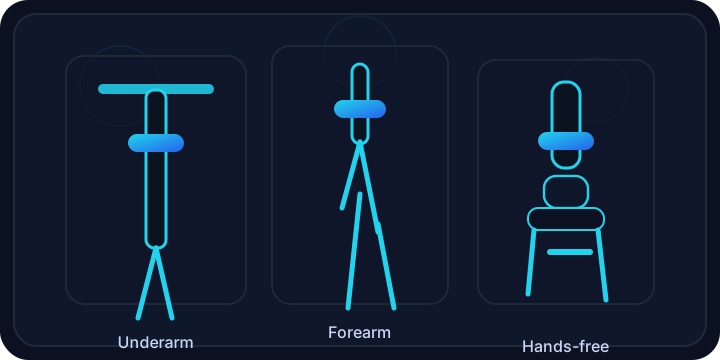
| Axillary (underarm) | Short-term (6–8 weeks), beginners | $20–$50 | 250–300 lbs | Easy | Affordable, widely available, easy to learn | Underarm discomfort, nerve risk, bulky |
| Forearm (Lofstrand) | Long-term, active users | $50–$150 | 250–350 lbs | Moderate | Maneuverable, less tiring, brief hands-free moments | Needs strength, higher learning curve |
| Platform | Arthritis, weak grip, hand injuries | $100–$300 | 250–400 lbs | Easy–Moderate | No hand/wrist strain, comfortable | Bulky, pricey, less common |
| Hands-free (iWALK/knee) | Below-knee injuries, active users | $150–$400 | 275–400 lbs | Moderate–Hard | Hands free, upright posture, less fatigue | Balance required, not for all terrain, expensive |
Sizing and fit basics
Measurements
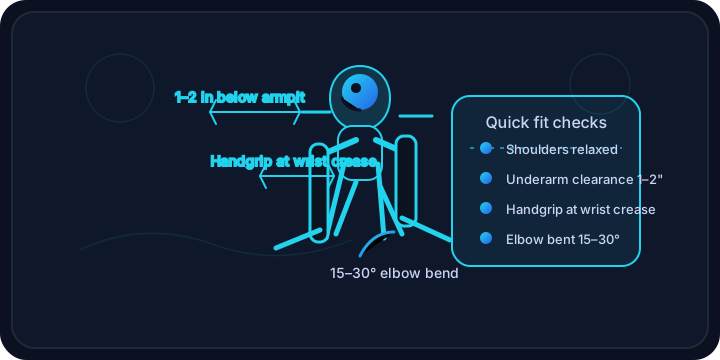
- Stand tall in shoes; shoulders relaxed.
- Top: 1–2 inches below the armpit (no contact).
- Handgrip: level with your wrist crease when arms hang at sides.
Fit checks
- Elbows bend ~15–30° when holding grips.
- Tips sit 2–3 inches ahead and 4–6 inches to the side.
- Both grips at equal height; pads and tips snug.
Safety
- Replace worn tips; tighten hardware weekly.
- Avoid underarm pressure-hands take the weight.
- Use indoors first, then uneven ground once confident.
Material comparisons
Aluminum
Most popular choice
- Weight: 1–2 lbs each
- Durability: good, won’t rust
- Cost: $20–$80
- Best for: most users
Recommended
Best balance of weight, cost, and durability.
Steel
Heavy-duty
- Weight: 3–4 lbs each
- Durability: excellent
- Cost: $30–$70
- Best for: heavier users (300+ lbs)
Carbon fiber
Premium
- Weight: 0.5–1 lb each
- Durability: excellent
- Cost: $150–$400
- Best for: long-term use, athletes
Wood
Traditional
- Weight: 2–3 lbs
- Durability: moderate
- Cost: $40–$120
- Best for: style-minded permanent users
Weight capacity guide
Consider your weight, what you carry, and add a 50+ lb safety margin.
| Standard aluminum | 250–300 lbs |
| Heavy-duty aluminum | 350–400 lbs |
| Bariatric steel | 500–700 lbs |
| Carbon fiber | 250–350 lbs |
Use the tool: Try the Weight Capacity Checker for personalized recs.
Budget guide
Budget: $20–$50
- Basic aluminum axillary crutches
- Standard tips, minimal padding
- Adjustable height
Best for: under 8 weeks
Mid-range: $50–$150
- Forearm crutches
- Better padding, ergonomic grips
- More durable materials
Best for: 2–6 months
Premium: $150–$400
- Carbon fiber or hands-free devices
- Custom ergonomics
- Long-term durability
Best for: long-term/permanent use
Money-saving tip: Rent for recoveries under 8 weeks (often $20–$40/month). Break-even is around 2–3 months.
Insurance coverage
Medicare (2025)
- Prescription required; medically necessary at home.
- Supplier must be Medicare-approved.
- 20% coinsurance after deductible.
Example: $100 crutches = ~$20 out-of-pocket after deductible.
Private insurance
- Copays commonly $10–$40.
- May need pre-authorization and in-network DME suppliers.
Call first: Verify coverage and pre-auth before you buy.
HSA/FSA eligible
Crutches and accessories qualify-use pre-tax dollars to save.
Insurance details and amounts vary by plan and year-always confirm with your insurer before you buy.
Financial assistance programs
National organizations
- Salvation Army: medical equipment assistance.
- Lions Clubs: loan programs.
- Modest Needs: emergency grants.
- Freecycle Network: community exchange.
State programs
Check Medicaid, vocational rehab, independent living centers, and community health centers.
Find help: Use the directory
Where to buy
Retail pharmacies
CVS, Walgreens, Rite Aid
- Immediate availability
- Basic selection, may process insurance
Price: $30–$80
Medical supply stores
Local DME suppliers
- Expert fitting, rentals, insurance billing
Price: $25–$200
Online retailers
Amazon, Vitality Medical, Allegro Medical
- Best prices and selection; reviews help
- No fitting help; shipping wait
Price: $20–$500
Frequently asked questions
What's the difference between standard and bariatric crutches?
Standard: 250–300 lbs. Bariatric: up to 500 lbs, wider grips/pads, stronger build; typically $80–$150.
Are carbon fiber crutches worth it?
They’re ~40% lighter than aluminum and great for long-term or active users. For short-term use, aluminum is fine.
Buy online or in-store?
Online: price and selection; no fitting. In-store: fitting help, insurance billing, immediate pickup.
What accessories should I buy?
Essentials: gel grips, armpit pads, replacement tips. Helpful: crutch bag, ice grips, reflective tape. Budget $30–$120.
Related resources
Your next steps
This guide is educational and does not replace advice from your doctor or physical therapist about what type of mobility aid is safest for you.
Path to decide: check your budget and coverage, choose a type and material, learn fit and safe usage, then use the tools and downloads.
- Check fit basics: Getting started.
- Learn safety: Safe usage.
- Download the 7-day guide: Confidence challenge.
- Use tools: calculators and quizzes.